
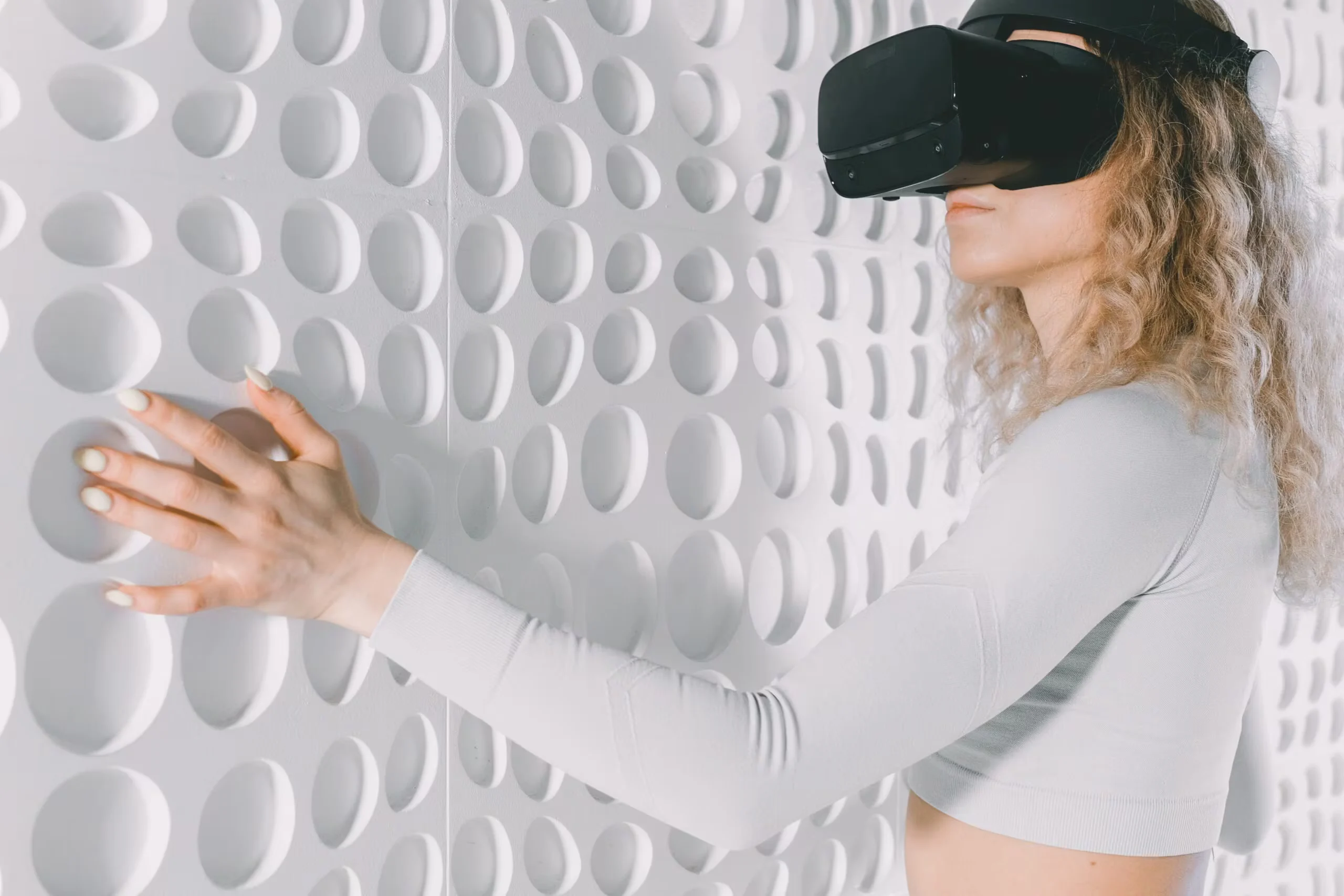

It started, as these things tend to, with a small irritation that refused to leave. The Quiet Revolution of Tactile Interfaces is not the sort of subject that announces itself; it sidles up, waits for a quiet afternoon, and then makes a case you cannot quite shake.
The Case for Slowing Down
I have started to think of this as a form of literacy — a way of reading the made world that most of us were never taught, but that anyone can pick up if they are willing to be a little slower and a little more curious.
The first thing you learn is that the obvious explanation is almost never the whole one. What looks like a single decision is usually a stack of older ones, each made by someone who had good reasons at the time and no idea you would be standing here, decades later, trying to read their intentions.
Where the Detail Lives
The temptation is always to optimize, to strip away anything that does not earn its keep. And yet the parts we are quickest to cut are often the ones doing the quiet work of holding everything together.
A useful distinction
We have grown comfortable mistaking speed for progress. But the things that hold up over time were rarely the fastest to make. They were the ones whose makers were willing to sit with a problem long enough to be changed by it.
What strikes me most is how durable the small choices turn out to be. Trends evaporate. The careful, almost invisible decisions underneath them are what people come back to, even when they cannot say why.


Show CommentsFinally someone says it. I miss the physical click of buttons in my car; glass slabs while driving are a real safety downgrade.
Agreed. My old stereo had three knobs and I never once had to look away from the road.
Haptics have come a long way though. The newest trackpads genuinely fool me into thinking the surface moved.
Good haptics are great, but they still can’t be found by touch in the dark. That’s the whole point of a knob.
The line about dishwashers losing their dials hit home. Mine has one unlabeled circle now.